
Buying a condo in Southwest Florida is a little different from buying a single-family home, and the insurance side is where those differences show up most. When you own a condo, you are not insuring the entire building — the association handles part of it, and you handle the rest. Knowing exactly where the association’s coverage ends and your responsibility begins is the single most useful thing a buyer in Fort Myers, Cape Coral, Naples, or the surrounding coast can understand before closing.
At Bassine Insurance, we help condo buyers read the fine print, match a unit-owner policy to their building’s master policy, and confirm the coastal risks are actually covered. Here is the checklist we walk clients through before they sign.
How Your HO-6 Policy and the Association Master Policy Fit Together
A condo is protected by two policies working together. The association carries a master policy that covers the building’s common areas and, depending on how it is written, some or all of your unit’s original structure. You carry a unit-owner policy — commonly called an HO-6 — that picks up where the master policy stops. That usually includes your personal belongings, personal liability, interior items, and additional living expenses if you cannot stay in the unit after a covered loss.
The mistake we most want buyers to avoid is assuming the association’s policy protects everything. It rarely does. The master policy is written to protect the building as a whole, not your kitchen cabinets, flooring, or the value of upgrades a previous owner installed.
Read the Master Policy: Bare Walls, Single Entity, or All-In
Before you close, ask for the association’s master policy declarations page and find out which of three general approaches it uses. A “bare walls-in” policy covers the building structure but stops at the unfinished walls, leaving interior finishes, fixtures, and improvements to you. A “single entity” or “original specifications” policy covers the unit roughly as it was originally built, but not later upgrades. An “all-in” or “all-inclusive” policy covers the most, often including built-in fixtures and installations.
Why this matters: the more the master policy leaves to the owner, the more your HO-6 needs to carry. Reading this correctly is how you avoid buying too little coverage on an upgraded unit — or paying twice for something already handled. We routinely compare a building’s master policy against a buyer’s proposed HO-6 so the two fit together without a gap.

Loss Assessment Coverage and Florida’s Reserve Rules
Loss assessment coverage is one of the most important — and most overlooked — parts of a condo policy in our area. If the association has a covered loss that exceeds its master policy limits, or a shared deductible after a hurricane, it can pass a portion of that cost to unit owners as a special assessment. Loss assessment coverage on your HO-6 is designed to help absorb your share rather than leaving it entirely out of pocket.
This has become especially relevant in Florida. Newer state requirements around structural inspections and reserve funding for older, taller buildings have increased the odds of special assessments, and buyers of coastal condos should factor that into how much loss assessment coverage they carry. Your agent can help you match the coverage to the building’s age and situation.
Wind, Flood, and Water Backup on a Coastal Condo
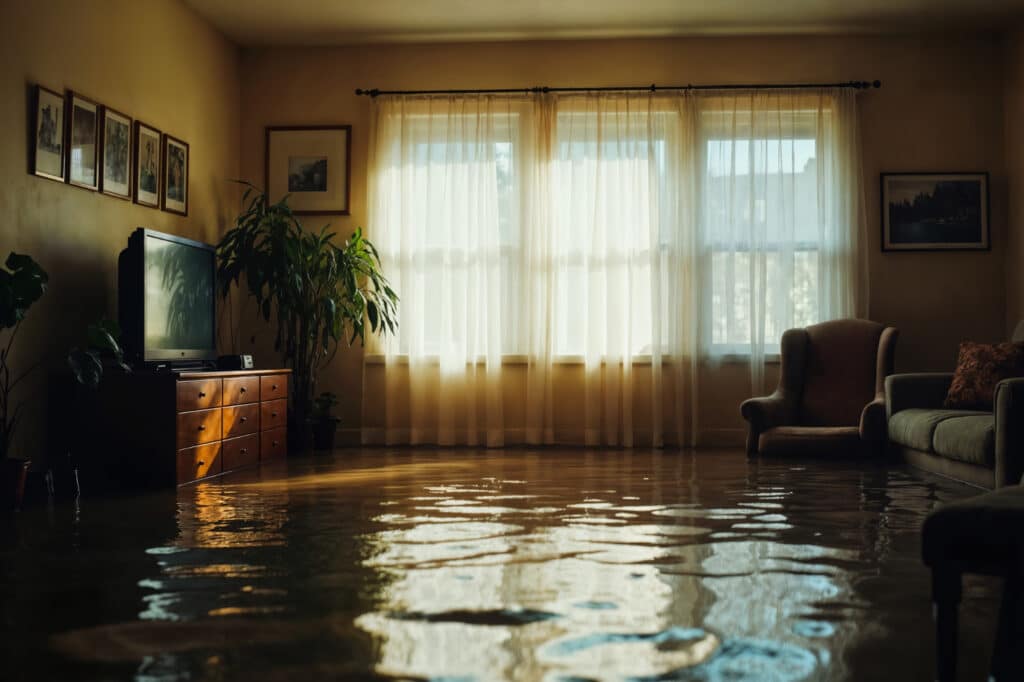
Living on this stretch of coast means storm exposure is not a hypothetical. Two points deserve extra attention. First, hurricane or named-storm deductibles are often calculated as a percentage of the coverage amount rather than a flat dollar figure, which changes what a claim actually costs you. Second, flooding is typically not covered by either a standard master policy or a standard HO-6 — flood is its own coverage, and even upper-floor owners often want contents flood protection.
Water backup from drains or sump systems is another add-on worth asking about, since plumbing issues in a multi-unit building can affect your unit through no fault of your own. We help buyers confirm which of these risks the building already handles and which ones belong on their personal policy.
Documents to Gather Before You Close
The buyers who have the smoothest closings are the ones who bring the right paperwork early. Before you finalize a Southwest Florida condo purchase, it helps to have:
- The association’s master policy declarations page, plus a note on whether it is bare walls, single entity, or all-in.
- The condo declaration and bylaws sections that spell out owner versus association responsibilities.
- Details on the building’s hurricane deductible and how it is shared among owners.
- Any recent special assessments, reserve studies, or inspection reports.
- A list of upgrades or renovations in the unit that you would want your HO-6 to protect.
For a neutral overview of your rights and how coverage works in Florida, we often point clients to Florida consumer insurance resources and then apply that guidance to your specific building.
Coverage Gaps We Often Catch on Southwest Florida Condos
The gap we see most is an HO-6 that was sized for a bare-walls building but written for one with an all-in master policy, or the reverse — leaving the owner either over- or under-covered. We also see buyers skip flood coverage on a ground-floor unit, overlook loss assessment coverage entirely, or carry personal-property limits that do not reflect the actual cost of furnishing a coastal home today.
Another common miss is inheriting a previous owner’s assumptions without checking whether the building’s master policy or the state’s requirements have changed since. A condo policy that fit a few years ago may not match today’s building rules or rebuilding costs.
When to Bring in a Local Agent Before Closing
The best time to review condo insurance is before you are under a closing deadline, while there is still room to adjust coverage or ask the association questions. It is also worth a fresh look at renewal, after a renovation, or any time the association announces a new assessment, inspection, or change to the master policy.
As independent local agents, we can compare unit-owner options for your specific building and coastal location, then explain in plain language where your policy and the master policy connect. A short conversation before closing is usually enough to catch the gaps that matter.
Frequently Asked Questions
What does an HO-6 condo policy cover that the master policy doesn’t?
An HO-6 typically covers your personal belongings, personal liability, interior finishes and upgrades, loss assessment, and living expenses if your unit becomes uninhabitable. The master policy focuses on the building and common areas, so the two are meant to work together. Your agent can confirm the split for your building.
Do I need flood insurance for a condo in Southwest Florida?
Often, yes. Flood is usually excluded from both the master policy and a standard HO-6. Even upper-floor owners frequently add contents flood coverage, and ground-floor units especially should confirm their flood exposure. Your agent can help you decide what fits your unit.
What is loss assessment coverage and why does it matter here?
It helps cover your share when the association passes along a special assessment after a covered loss or a large shared deductible. With Florida’s newer reserve and inspection rules for older buildings, this coverage has become more important for coastal condo owners.
What should I ask for before closing on a condo?
Ask for the master policy declarations page, the association bylaws on coverage responsibilities, the hurricane deductible details, and any recent assessments or inspection reports. Those documents tell us how to size your unit-owner policy correctly.
Get Your Condo Coverage Reviewed Before You Close
If you are buying a condo anywhere in Southwest Florida and want to be sure your coverage lines up with the association’s master policy, call us at (239) 995-0333 or reach out through our contact page. We will help you work through the checklist so there are no surprises after closing.

